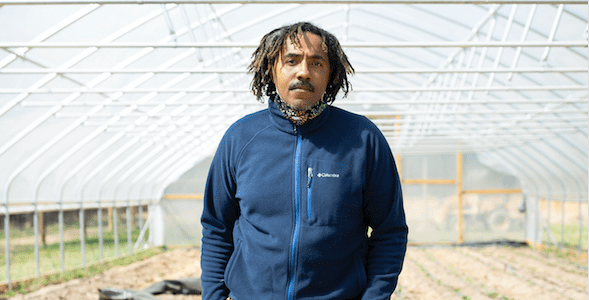
Racism and agriculture—are they related? Do squirrels climb trees? Using historical background, current statistics and trends, and descriptions of Black farmers and organizations, Tom Philpott presents a detailed report of a complicated situation. Philpott is an award-winning journalist and Mother Jones food and agriculture correspondent; his report is from the May+June 2021 edition of the magazine.
Continue reading “After a Century of Dispossession, Black Farmers Are Fighting to Get Back to the Land”Author: letstalklibrary4001
Manoomin: Food that Grows on the Water
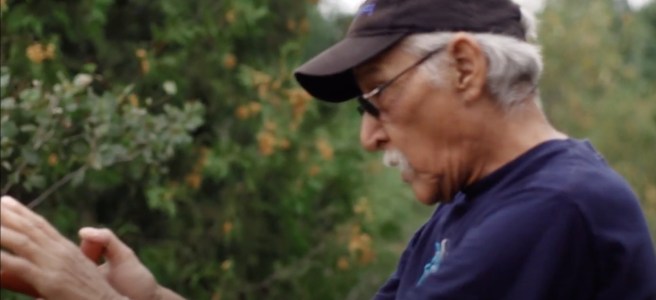
In English, it’s called “wild rice”; in the languages spoken by Anishinaabe people, a culturally related group that includes the Ojibwe, Chippewa, and other indigenous peoples, the food is called “manoomin.” (If you listen carefully, you’ll be able to pick out the word “Anishinaabe” in the invocation/prayer spoken at the beginning of the video.) This manoomin has tremendous importance to the Anishinaabe people, not only for its high nutritional value, but also for its cultural significance. 21st century technology and socio-political conditions in the Anishinaabe region are encroaching on the relationship between manoomin and the people who rely on it for material and spiritual sustenance. In this video, Fred Ackley Jr. of the Sokaogon Chippewa Community describes the gathering of manoomin and explains its significance; the video was produced in February 2020 by PBS Wisconsin Education.
Continue reading “Manoomin: Food that Grows on the Water”NCAA Gender Inequity Cuts Deeper Than Just Weight Room Issues at Tournament
Gender disparity in the NCAA? We’re shocked! Flabbergasted! Just kidding. Not shocked at all. Still, the degree of inequality that came to light during the 2021 NCAA basketball tournaments was a little startling. Newsweek sports editor Scott McDonald details the situation in this March 2021 report.
Continue reading “NCAA Gender Inequity Cuts Deeper Than Just Weight Room Issues at Tournament”Would Honey the Duck Come Back This Spring?
In addition to the human dramas that play out daily in our towns and cities, the wildlife that live among us have their own dramas, too. And sometimes those dramas intertwine. A university biologist in Chicago, whose office looks out on the school’s Botany Pond, has watched and looked after a particular migratory duck who has returned to the pond for each of the last five years. Mary Schmich, Pulitzer Prize-winning columnist for the Chicago Tribune, has documented this intertwined drama of the duck and the professor several times; this March 2021 column is the latest chapter of the ongoing tale.
Continue reading “Would Honey the Duck Come Back This Spring?”Let’s Talk, Longhorns
One of the most lauded features of US higher education is the opportunity it provides for interacting in meaningful ways with people from diverse backgrounds and experiences. Hmmm. How well are we doing in that area? Plenty of room for improvement, right? Morgan Pace, student at the University of Texas at Austin, home of the Longhorns, offers a suggestion in this July 2020 editorial in the university newspaper, The Daily Texan.
Continue reading “Let’s Talk, Longhorns”Drumline Battle | Army vs Air Force (Who Won?)
West Point and the US Air Force Academy are two elite military universities where future officers of the Army and Air Force, respectively, are trained. They compete annually in a football game that is a major event for both schools and for many people in the general public, as well. A popular pre-game custom is a battle between the two schools’ drumlines. This battle was recorded before the November 2012 game in West Point, NY.
Continue reading “Drumline Battle | Army vs Air Force (Who Won?)”The Case for Capitalizing the B in Black
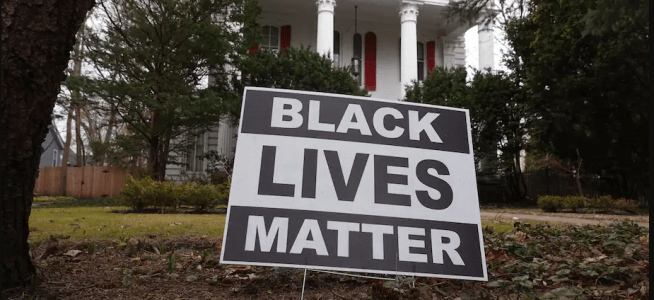
It’s a tiny detail in writing with huge implications in social reality. Wait. What? It’s tiny and huge at the same time? Really? Well, yes, really. Unless you pay a lot of attention to the inner workings of news media, publishers, and language usage guides, you might not have noticed the extensive recent discussions about the capitalization (or not) of the words black and white when they refer to social identities of people. Kwame Anthony Appiah, author and professor of philosophy and law, details the issues involved in this June 2020 essay in The Atlantic. (And by the way, who makes the ultimate decisions about what is correct? As Appiah notes, “language is a set of conventions, to be determined by the consensus of language users.” In other words, we do.)
Continue reading “The Case for Capitalizing the B in Black”Trees of Knowledge
Trees may not get around very much, but they do know a lot about what matters to them. Their very survival depends on being able to extract information from their environments and make appropriate responses. In other words, they make decisions. Science fiction novelist and tree scholar Sue Burke writes about trees and decisions in this December 2019 report for Slate.
Continue reading “Trees of Knowledge”