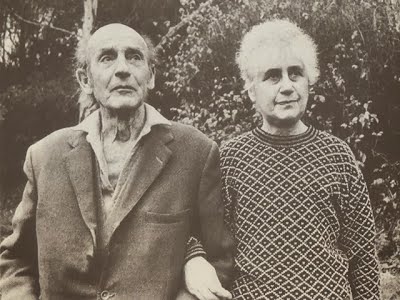
Do you have a middle name? Not everybody does. Some people have two or more. If you have one, do you use it? Do you shorten it to an initial? In the US, we have some leeway in the ways that we identify ourselves, so you may have encountered these questions already in your own life—what name to put on, say, a job application or an apartment rental contract. Deborah Cameron, a feminist linguist who pays attention to many aspects of language use, wrote this July 2021 post about names for her blog, Language: a feminist guide. (By the way, she writes her blog under the name debuk.)
Continue reading “Women of Letters”Category: Analysis
How Do Dogs Sniff Out Diseases?
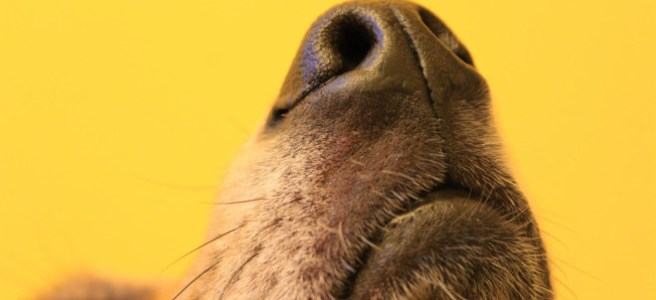
Dogs know the world through their exquisitely sensitive noses, and humans have been relying on dogs’ sense of smell to help with many different kinds of tasks (not always benevolent) for a long time. Dogs are trained to sniff out contraband at airports and international borders; dogs are instrumental in finding black truffles and other valuable wild mushrooms; and dogs are also trained to detect an imminent epileptic seizure before it occurs . Presently, scientists are developing training programs for dogs to sniff out COVID. In this July 2021 Discover Magazine report, science journalist Leslie Nemo analyzes the procedures that trainers and researchers follow to teach the necessary skills to the dogs.
Continue reading “How Do Dogs Sniff Out Diseases?”Evanston, Illinois, Approved Reparations. Except It Isn’t Reparations.
The Chicago suburb of Evanston, Illinois, has received a lot of national attention for initiating a plan that they’re calling “reparations.” The plan acknowledges and takes steps toward redressing the town’s complicity in a long history of housing practices that have knowingly and intentionally discriminated against Black people, who currently comprise 16% of the town population, according to census data. Arts consultant A. Kirsten Mullen and economist William A. Darity Jr., authors of the 2020 award-winning book From Here to Equality, wrote this March 2021 essay on Evanston’s plan for the Washington Post.
Continue reading “Evanston, Illinois, Approved Reparations. Except It Isn’t Reparations.”For Political Cartoonists, the Irony Was That Facebook Didn’t Recognize Irony
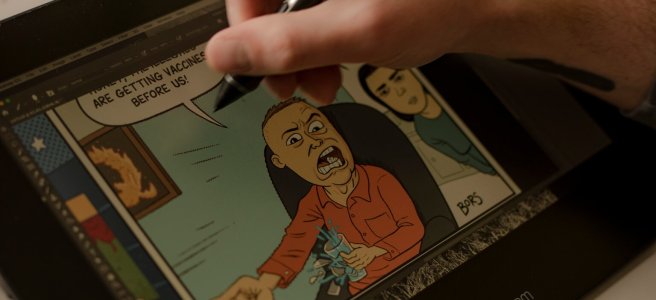
Have you ever made an ironic remark and had it misinterpreted or misunderstood? Us, too. It happens. In a real-time conversation, you might be able to explain and repair the conversation. Indeed, when the context and intention are clear enough, many potential misunderstandings don’t happen in the first place. On social media, though, things can get more complicated, and ironic intent may not be recognized. New York Times technology correspondent Mike Isaac wrote this March 2021 report on Facebook’s ironic irony problem.
Continue reading “For Political Cartoonists, the Irony Was That Facebook Didn’t Recognize Irony”The Case for Capitalizing the B in Black
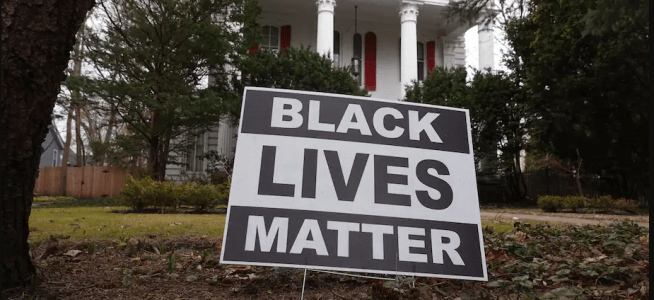
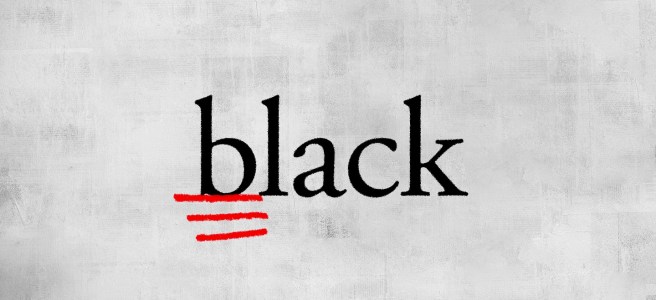
It’s a tiny detail in writing with huge implications in social reality. Wait. What? It’s tiny and huge at the same time? Really? Well, yes, really. Unless you pay a lot of attention to the inner workings of news media, publishers, and language usage guides, you might not have noticed the extensive recent discussions about the capitalization (or not) of the words black and white when they refer to social identities of people. Kwame Anthony Appiah, author and professor of philosophy and law, details the issues involved in this June 2020 essay in The Atlantic. (And by the way, who makes the ultimate decisions about what is correct? As Appiah notes, “language is a set of conventions, to be determined by the consensus of language users.” In other words, we do.)
Continue reading “The Case for Capitalizing the B in Black”Trees of Knowledge
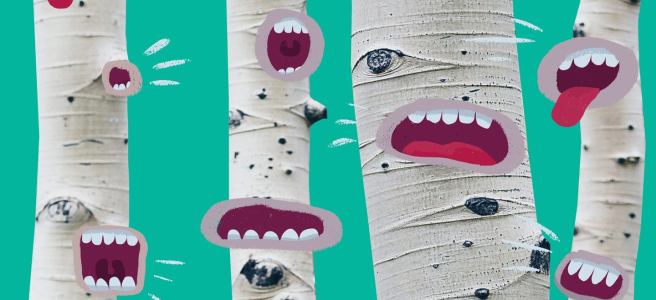
Trees may not get around very much, but they do know a lot about what matters to them. Their very survival depends on being able to extract information from their environments and make appropriate responses. In other words, they make decisions. Science fiction novelist and tree scholar Sue Burke writes about trees and decisions in this December 2019 report for Slate.
Continue reading “Trees of Knowledge”Our Minds Aren’t Equipped for This Kind of Reopening
In summer 2020, communities all around the US were coming out of lockdown and making decisions about how, how much, and when to open up and resume (at least some) normal activities. Months later, the situation hasn’t changed too very much, despite the development and slow rollout of the vaccine, and we expect, sadly, that the pandemic and its conditions will be with us in some ways for a long time to come. Law and psychology professor Tess Wilkinson-Ryan wrote this analysis of risk assessment, shaming, and decision making for the July 2020 The Atlantic. Have things changed much since its publication? (We hope so.)
Continue reading “Our Minds Aren’t Equipped for This Kind of Reopening”Metaphors Matter in a Time of Pandemic
It’s by far the #1 topic of conversation this year. You knew immediately (even without the image) what we were referring to, right? The COVID pandemic, of course. Public discourse about the pandemic and the virus that causes the disease relies heavily on war metaphors. Words like battle, combat, defeat, fight, and others are everywhere in media of all kinds and in personal conversations—so much so that it seems like there are no other ways to think about the situation. Writer and columnist Virginia Heffernan argues that there are better ways to think and talk about the pandemic, and she explains her position in this May 2020 essay in Wired.
Continue reading “Metaphors Matter in a Time of Pandemic”