How We Tell Stories in Texas

Shape of Texas on a red background, superimposed with various historical documents related to the state.

What do you remember learning in school about the history of your town or state? Did it give you a sense of pride? Now that you’re older and wiser, have you discovered anything that was left out (but probably shouldn’t have been)? In this July 2021 essay in Bitter Southerner, freelance writer and Texas native Sarah Enelow-Snyder writes about her exciting seventh grade field trip to the Alamo in San Antonio along with her critique of the ways that history is (and isn’t) taught in school.

Continue reading “How We Tell Stories in Texas”

The Science behind Social Media’s Hold on Our Mental Health

Reaction toolbar with thumbs up, heart, laughing, surprised, sad, and angry emojis.

We’ve been hearing for a while now that social media can have damaging effects on users’ mental health and sense of well-being. If we’re being honest, we probably have noticed some effects on our own selves that are not so desirable. What’s happening to cause that? Has all of humanity, and especially young people, just gone bonkers for social media? That’s not a very satisfying possibility, is it? Brittney McNamara, Teen Vogue’s features director, offers a better explanation in this November 2021 report.

Continue reading “The Science behind Social Media’s Hold on Our Mental Health”

Breaking the Grass Ceiling: More Women Are Playing College Baseball Than Ever Before

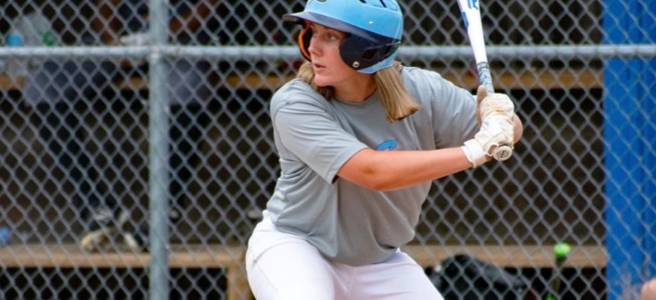
A female baseball player wearing a grey and light blue uniform prepares to hit a ball.

The US has a woman vice president, and there are now women referees on NBA courts and in the broadcast booths. Have women fully broken the glass ceiling? Not quite. In this June 2021 Sports Illustrated report, sports journalist Michael Rosen addresses the “grass ceiling” encountered by women baseball players, specifically, women on collegiate baseball teams.

Continue reading “Breaking the Grass Ceiling: More Women Are Playing College Baseball Than Ever Before”

Amazon’s Warehouses, Bezos’s Worldview, and Elite Higher Education

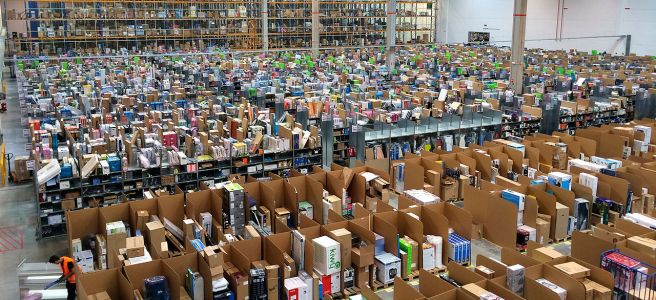
A large warehouse filled with hundreds of boxes organized into different shelves and cubicles.

Articles and editorials about Amazon, its warehouses and fulfillment centers, and its working conditions appear in probably hundreds, if not thousands, of newspapers and magazines every month. Local and regional newspapers cover the company, of course, as do general interest magazines, and you wouldn’t be surprised to find that business periodicals have a lot to say. Would you expect to find an essay about the company in a periodical that focuses exclusively on issues of higher education? Well, here’s one: Dartmouth University administrator and sociologist Joshua Kim poses some questions about Amazon in this June 2021 Inside Higher Education essay. (His essay mentions and links to a New York Times article, and we suggest that you take a look at that piece, too.) 

Continue reading “Amazon’s Warehouses, Bezos’s Worldview, and Elite Higher Education”

A Profit-Sharing Proposal

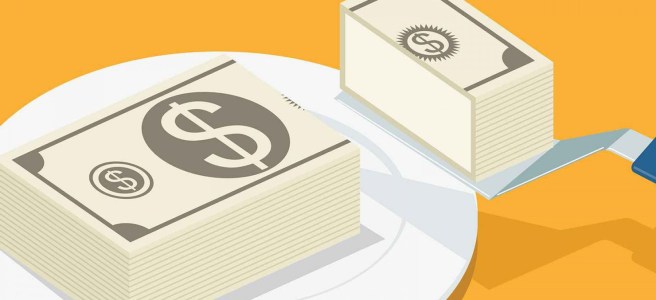
A cartoon of a stack of cash on a plate being sliced in two, with one half being picked up by a cake slicer.

If you pay any attention to economic news, you’re aware that the US stock market is flourishing, profits are high and rising for a large number of US businesses, worker productivity has increased tremendously, and worker wages are…stagnant. Or worse. Depending on how worker income is measured in relation to cost of living, the buying power of worker incomes has fallen substantially over several decades. There is no silver bullet, no magic fix, but there are many possibilities for remedying the situation. LaGuardia Community College student Qing Zhang is proposing in this essay that profit sharing could go a long way towards helping workers and the economy at the same time.

Continue reading “A Profit-Sharing Proposal”

Evanston, Illinois, Approved Reparations. Except It Isn’t Reparations.

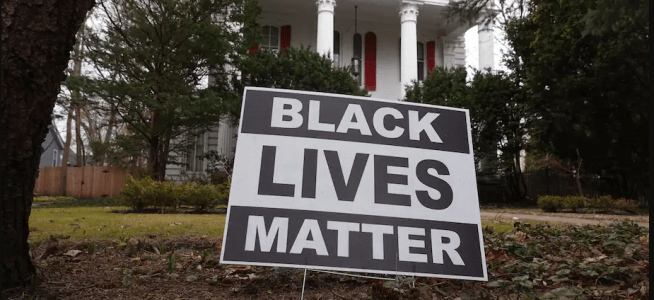
Black Lives Matter lawn sign in the front yard of a large white house.

The Chicago suburb of Evanston, Illinois, has received a lot of national attention for initiating a plan that they’re calling “reparations.” The plan acknowledges and takes steps toward redressing the town’s complicity in a long history of housing practices that have knowingly and intentionally discriminated against Black people, who currently comprise 16% of the town population, according to census data. Arts consultant A. Kirsten Mullen and economist William A. Darity Jr., authors of the 2020 award-winning book From Here to Equality, wrote this March 2021 essay on Evanston’s plan for the Washington Post.

Continue reading “Evanston, Illinois, Approved Reparations. Except It Isn’t Reparations.”

Manoomin: Food that Grows on the Water

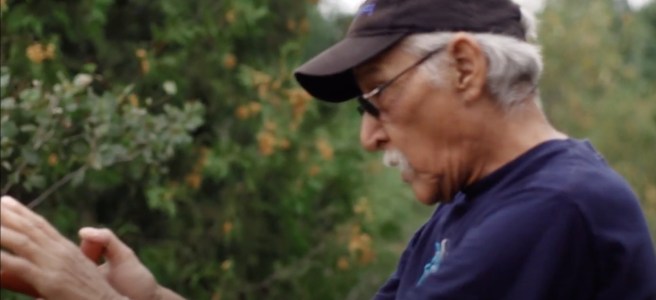
The side profile of an older gentleman wearing a hat and sunglasses and trimming a bush.

In English, it’s called “wild rice”; in the languages spoken by Anishinaabe people, a culturally related group that includes the Ojibwe, Chippewa, and other indigenous peoples, the food is called “manoomin.” (If you listen carefully, you’ll be able to pick out the word “Anishinaabe” in the invocation/prayer spoken at the beginning of the video.) This manoomin has tremendous importance to the Anishinaabe people, not only for its high nutritional value, but also for its cultural significance. 21st century technology and socio-political conditions in the Anishinaabe region are encroaching on the relationship between manoomin and the people who rely on it for material and spiritual sustenance. In this video, Fred Ackley Jr. of the Sokaogon Chippewa Community describes the gathering of manoomin and explains its significance; the video was produced in February 2020 by PBS Wisconsin Education.

Continue reading “Manoomin: Food that Grows on the Water”

NCAA Gender Inequity Cuts Deeper Than Just Weight Room Issues at Tournament

A girl holding an NCAA Division-I Final Four trophy from 2017 smiles, surrounded by her teammates.

Gender disparity in the NCAA? We’re shocked! Flabbergasted! Just kidding. Not shocked at all. Still, the degree of inequality that came to light during the 2021 NCAA basketball tournaments was a little startling. Newsweek sports editor Scott McDonald details the situation in this March 2021 report.

Continue reading “NCAA Gender Inequity Cuts Deeper Than Just Weight Room Issues at Tournament”