Why Is Blue So Rare in Nature?

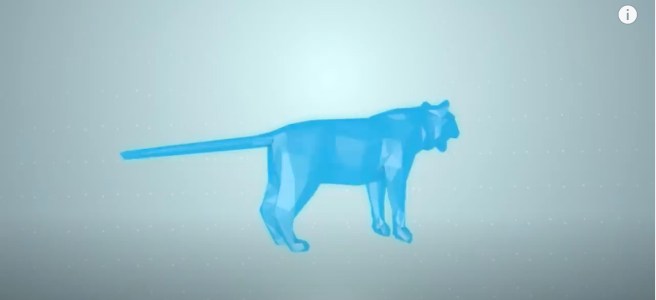
A blue 3D computer generation of a feline.

Why are there no blue tigers? Come to think of it, there are no blue rabbits or squirrels, either. You’ve probably never lost any sleep pondering these questions, but in case you’re just curious, we’ve got some answers for you! Molecular biologist and science writer Joe Hanson made this 2018 video as an episode in his series It’s Okay To Be Smart, a project of PBS Digital Studios.

Continue reading “Why Is Blue So Rare in Nature?”

The Science behind Social Media’s Hold on Our Mental Health

Reaction toolbar with thumbs up, heart, laughing, surprised, sad, and angry emojis.

We’ve been hearing for a while now that social media can have damaging effects on users’ mental health and sense of well-being. If we’re being honest, we probably have noticed some effects on our own selves that are not so desirable. What’s happening to cause that? Has all of humanity, and especially young people, just gone bonkers for social media? That’s not a very satisfying possibility, is it? Brittney McNamara, Teen Vogue’s features director, offers a better explanation in this November 2021 report.

Continue reading “The Science behind Social Media’s Hold on Our Mental Health”

How Do Dogs Sniff Out Diseases?

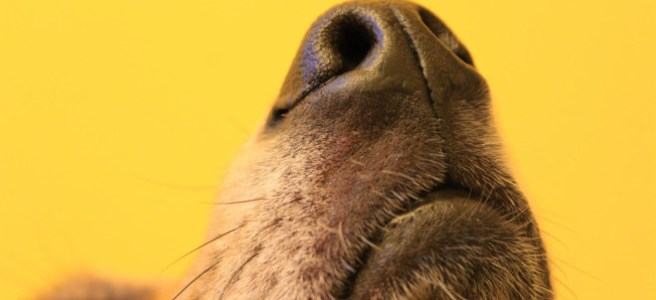
A brown dog's nose pointed upward against a yellow background.

Dogs know the world through their exquisitely sensitive noses, and humans have been relying on dogs’ sense of smell to help with many different kinds of tasks (not always benevolent) for a long time. Dogs are trained to sniff out contraband at airports and international borders; dogs are instrumental in finding black truffles and other valuable wild mushrooms; and dogs are also trained to detect an imminent epileptic seizure before it occurs . Presently, scientists are developing training programs for dogs to sniff out COVID. In this July 2021 Discover Magazine report, science journalist Leslie Nemo analyzes the procedures that trainers and researchers follow to teach the necessary skills to the dogs. 

Continue reading “How Do Dogs Sniff Out Diseases?”

The Bootleg Fire, the Nation’s Biggest, Gives Scientists an Unexpected Experiment

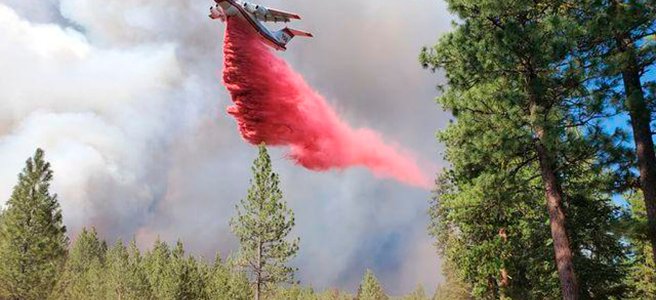
An airplane drops a cloud of red powder over a forest.

It’s not often that we encounter good news about wildfires, but here is a report that comes close. This July 2021 Associated Press report presented by NPR recounts some of the moderate successes in wildfire mitigation efforts that scientists have been able to observe with the Bootleg Fire in Oregon.

Continue reading “The Bootleg Fire, the Nation’s Biggest, Gives Scientists an Unexpected Experiment”

Manoomin: Food that Grows on the Water

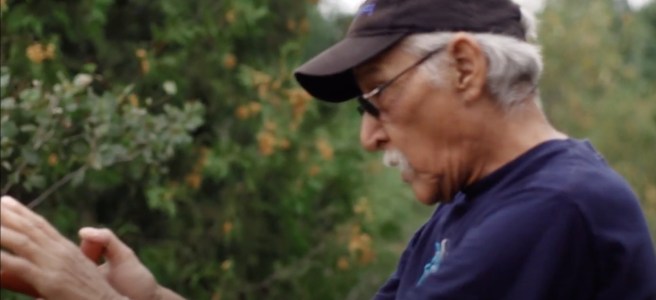
The side profile of an older gentleman wearing a hat and sunglasses and trimming a bush.

In English, it’s called “wild rice”; in the languages spoken by Anishinaabe people, a culturally related group that includes the Ojibwe, Chippewa, and other indigenous peoples, the food is called “manoomin.” (If you listen carefully, you’ll be able to pick out the word “Anishinaabe” in the invocation/prayer spoken at the beginning of the video.) This manoomin has tremendous importance to the Anishinaabe people, not only for its high nutritional value, but also for its cultural significance. 21st century technology and socio-political conditions in the Anishinaabe region are encroaching on the relationship between manoomin and the people who rely on it for material and spiritual sustenance. In this video, Fred Ackley Jr. of the Sokaogon Chippewa Community describes the gathering of manoomin and explains its significance; the video was produced in February 2020 by PBS Wisconsin Education.

Continue reading “Manoomin: Food that Grows on the Water”

Would Honey the Duck Come Back This Spring?

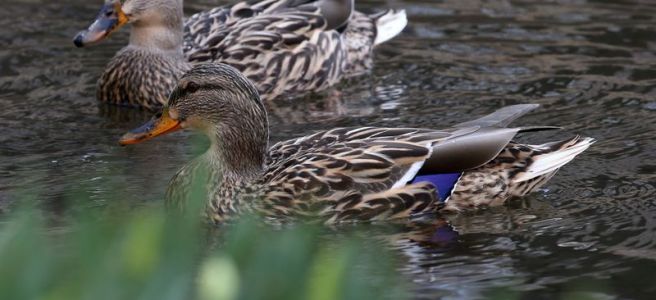
Two ducks floating in a body of water.

In addition to the human dramas that play out daily in our towns and cities, the wildlife that live among us have their own dramas, too. And sometimes those dramas intertwine. A university biologist in Chicago, whose office looks out on the school’s Botany Pond, has watched and looked after a particular migratory duck who has returned to the pond for each of the last five years. Mary Schmich, Pulitzer Prize-winning columnist for the Chicago Tribune, has documented this intertwined drama of the duck and the professor several times; this March 2021 column is the latest chapter of the ongoing tale.

Continue reading “Would Honey the Duck Come Back This Spring?”

Trees of Knowledge

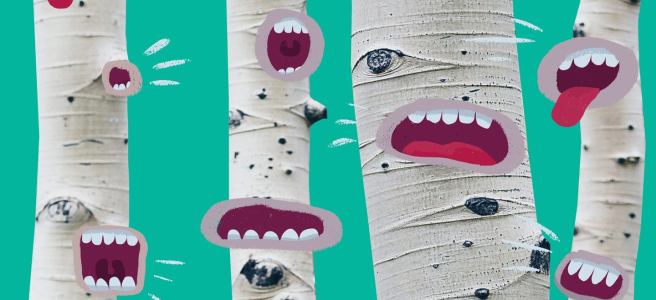
Four white-bark trees with cartoon open mouths drawn on them, making a variety of facial expressions.

Trees may not get around very much, but they do know a lot about what matters to them. Their very survival depends on being able to extract information from their environments and make appropriate responses. In other words, they make decisions. Science fiction novelist and tree scholar Sue Burke writes about trees and decisions in this December 2019 report for Slate

Continue reading “Trees of Knowledge”

Returning to My Family Farm Is About More Than Succession. It’s About Story.

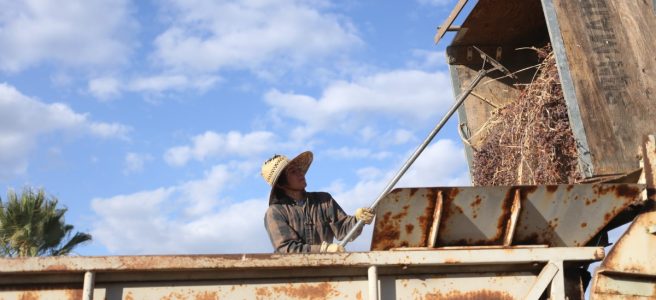
A farmer wearing a sunhat rakes hay out of a truck.

We’ve either known it personally or seen it on TV a dozen or more times—young person leaves the farm to go to college and never looks back. Writer and fourth generation California farmer Nikiko Masumoto did leave the farm, and after a successful college career (B.A. and M.A.), she returned with dedication and purpose to her family farm. In this 2018 Civil Eats essay, she explains her ideas about farming and the “ancestral story” she is part of.

Continue reading “Returning to My Family Farm Is About More Than Succession. It’s About Story.”