How to Fix Social Media

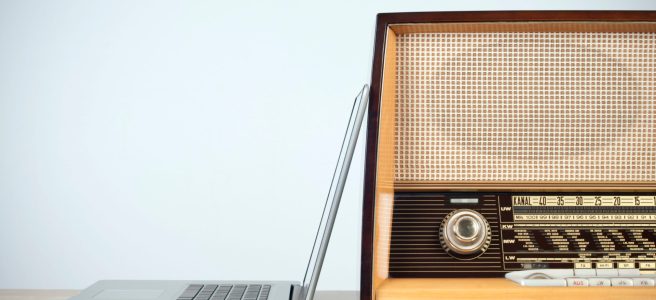
An open laptop leans against an old-style radio atop a table.

Social media, what a hot mess! Still, hard to imagine the world these days without them. They’re immensely useful in so many ways, and in just as many ways, they can be tremendously harmful. What can we—as individuals and as a society—do to reduce the damage that social media can cause while boosting their helpfulness? Best-selling author Nicholas Carr, whose work focuses on technology, economics, and culture, details his plan for resolving major social media problems in this Fall 2021 essay from the New Atlantis.

Continue reading “How to Fix Social Media”

Don’t Look Away: Photojournalists Are Documenting the Brutality of Russia’s War in Ukraine

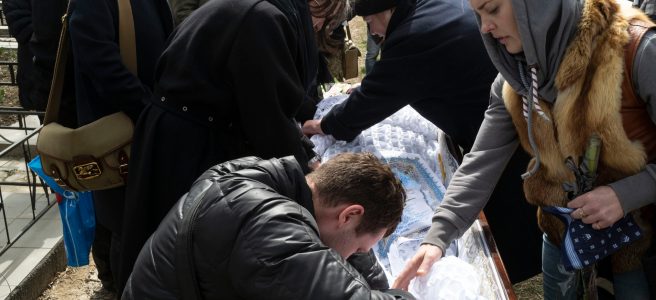
A man and woman grieve over the casket of Andrii Tanulin, a victim of the bombing in Ukraine. They are accompanied by several other mourners.

War photographers’ jobs are more than just dangerous; they require deep sensitivity to the traumas of war to all of the people immediately affected. They must act quickly and decisively to position themselves and choose their shots. Editors and publishers don’t face the immediate danger, of course, but their decisions about which photos to include for their audiences requires plenty of delicacy and judgment. In this April 2022 Nieman Labs essay, Chloe Coleman, photo editor for the Washington Post, explains how images for publication are chosen, what factors are considered in the decision, and what, ultimately, is the goal of presenting such images to the general public.

Continue reading “Don’t Look Away: Photojournalists Are Documenting the Brutality of Russia’s War in Ukraine”

A New Report Shows the Impact of Racial Justice Protests in 2020 on Three Local Newspapers

Demonstrators holding up a "No Justice No Peace" sign face a row of armed police officers.

When someone we know provides an account of an event, we generally know how to interpret their individual take; we probably know when they’re likely to get dramatic or when they’re likely to downplay something. We make our own adjustments to what we’ve heard in order to get closer to the truth. Do we know how to make the same kinds of adjustments with major news sources? We, as individuals, may not, but there are organizations and projects, such as Harvard’s Nieman Journalism Lab, that monitor news media. They observe and analyze the reporting in order to inform and advise journalists and the general public about possible subtle slants in the coverage. In this January 2022 report, Nieman’s deputy editor Shraddha Chakradhar summarizes a report analyzing news coverage of 2020 protests against police brutality in the daily newspapers of three cities where major incidents have occurred.

Continue reading “A New Report Shows the Impact of Racial Justice Protests in 2020 on Three Local Newspapers”