For Political Cartoonists, the Irony Was That Facebook Didn’t Recognize Irony

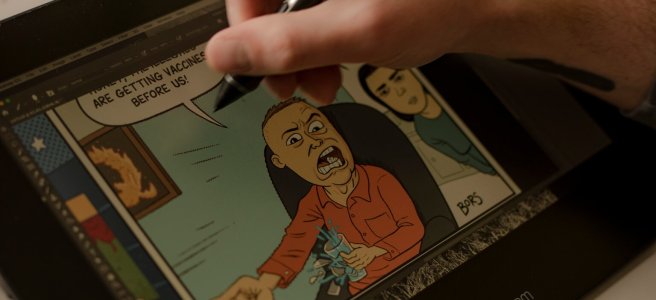
A political cartoon about vaccines is being drawn on a tablet.

Have you ever made an ironic remark and had it misinterpreted or misunderstood? Us, too. It happens. In a real-time conversation, you might be able to explain and repair the conversation. Indeed, when the context and intention are clear enough, many potential misunderstandings don’t happen in the first place. On social media, though, things can get more complicated, and ironic intent may not be recognized. New York Times technology correspondent Mike Isaac wrote this March 2021 report on Facebook’s ironic irony problem.

Continue reading “For Political Cartoonists, the Irony Was That Facebook Didn’t Recognize Irony”

Manoomin: Food that Grows on the Water

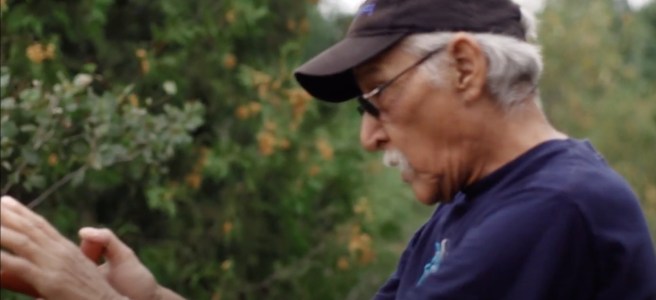
The side profile of an older gentleman wearing a hat and sunglasses and trimming a bush.

In English, it’s called “wild rice”; in the languages spoken by Anishinaabe people, a culturally related group that includes the Ojibwe, Chippewa, and other indigenous peoples, the food is called “manoomin.” (If you listen carefully, you’ll be able to pick out the word “Anishinaabe” in the invocation/prayer spoken at the beginning of the video.) This manoomin has tremendous importance to the Anishinaabe people, not only for its high nutritional value, but also for its cultural significance. 21st century technology and socio-political conditions in the Anishinaabe region are encroaching on the relationship between manoomin and the people who rely on it for material and spiritual sustenance. In this video, Fred Ackley Jr. of the Sokaogon Chippewa Community describes the gathering of manoomin and explains its significance; the video was produced in February 2020 by PBS Wisconsin Education.

Continue reading “Manoomin: Food that Grows on the Water”

The Case for Capitalizing the B in Black

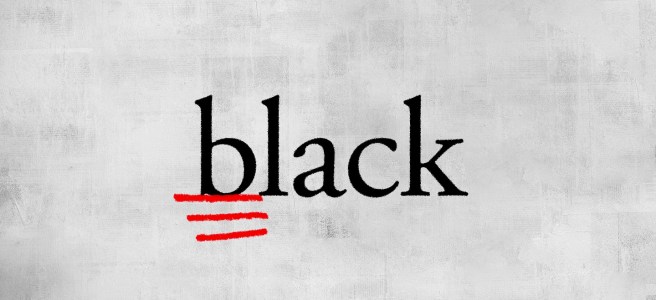
The word "black," all in lowercase, with the first letter underlined in red three times.

It’s a tiny detail in writing with huge implications in social reality. Wait. What? It’s tiny and huge at the same time? Really? Well, yes, really. Unless you pay a lot of attention to the inner workings of news media, publishers, and language usage guides, you might not have noticed the extensive recent discussions about the capitalization (or not) of the words black and white when they refer to social identities of people. Kwame Anthony Appiah, author and professor of philosophy and law, details the issues involved in this June 2020 essay in The Atlantic. (And by the way, who makes the ultimate decisions about what is correct? As Appiah notes, “language is a set of conventions, to be determined by the consensus of language users.” In other words, we do.)

Continue reading “The Case for Capitalizing the B in Black”

Emoji Statistics

Three emojis wearing masks.

We would be exaggerating to say that emojis will soon make typed words obsolete, but 🤨🤔😼. What wouldn’t be an overstatement, though, is to say that emojis are very useful (although sometimes ambiguous, like the three in the previous sentence). Emojipedia is an online resource that helps make sense of emojis,—including what they mean, how they’re used, how they’re trending, and other must-know emoji information. Emojipedia is also a voting member of the Unicode Consortium, the international group that maintains uniform standards for typed characters on keyboards and keypads from all manufacturers in all languages, in all countries. No small job. This page on the Emojipedia site is dedicated to the latest emoji statistics, and it’s updated several times a year. We viewed it in October 2020; you may be seeing an updated version.

Continue reading “Emoji Statistics”

Metaphors Matter in a Time of Pandemic

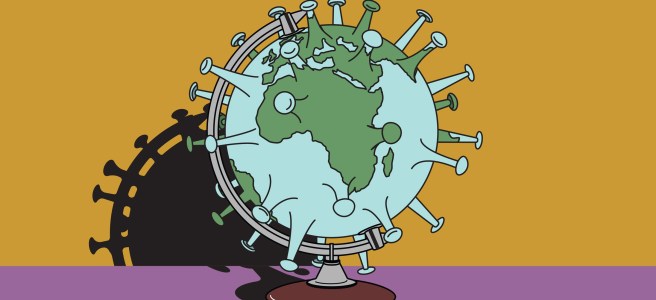
A cartoon globe with protrusions emerging from it, meant to look like a virus..

It’s by far the #1 topic of conversation this year. You knew immediately (even without the image) what we were referring to, right? The COVID pandemic, of course. Public discourse about the pandemic and the virus that causes the disease relies heavily on war metaphors. Words like battlecombatdefeatfight, and others are everywhere in media of all kinds and in personal conversations—so much so that it seems like there are no other ways to think about the situation. Writer and columnist Virginia Heffernan argues that there are better ways to think and talk about the pandemic, and she explains her position in this May 2020 essay in Wired.

Continue reading “Metaphors Matter in a Time of Pandemic”