After a Century of Dispossession, Black Farmers Are Fighting to Get Back to the Land

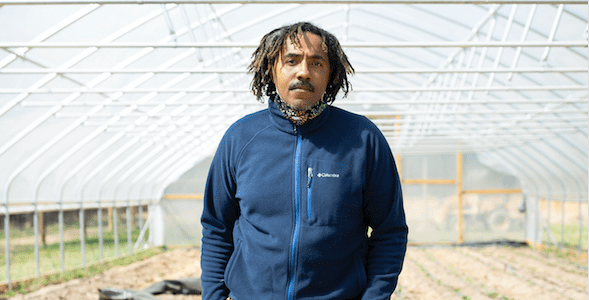
A man stands inside a greenhouse, looking directly at the camera without smiling.

Racism and agriculture—are they related? Do squirrels climb trees? Using historical background, current statistics and trends, and descriptions of Black farmers and organizations, Tom Philpott presents a detailed report of a complicated situation. Philpott is an award-winning journalist and Mother Jones food and agriculture correspondent; his report is from the May+June 2021 edition of the magazine.  

Continue reading “After a Century of Dispossession, Black Farmers Are Fighting to Get Back to the Land”

NCAA Gender Inequity Cuts Deeper Than Just Weight Room Issues at Tournament

A girl holding an NCAA Division-I Final Four trophy from 2017 smiles, surrounded by her teammates.

Gender disparity in the NCAA? We’re shocked! Flabbergasted! Just kidding. Not shocked at all. Still, the degree of inequality that came to light during the 2021 NCAA basketball tournaments was a little startling. Newsweek sports editor Scott McDonald details the situation in this March 2021 report.

Continue reading “NCAA Gender Inequity Cuts Deeper Than Just Weight Room Issues at Tournament”

Would Honey the Duck Come Back This Spring?

Two ducks floating in a body of water.

In addition to the human dramas that play out daily in our towns and cities, the wildlife that live among us have their own dramas, too. And sometimes those dramas intertwine. A university biologist in Chicago, whose office looks out on the school’s Botany Pond, has watched and looked after a particular migratory duck who has returned to the pond for each of the last five years. Mary Schmich, Pulitzer Prize-winning columnist for the Chicago Tribune, has documented this intertwined drama of the duck and the professor several times; this March 2021 column is the latest chapter of the ongoing tale.

Continue reading “Would Honey the Duck Come Back This Spring?”

Trees of Knowledge

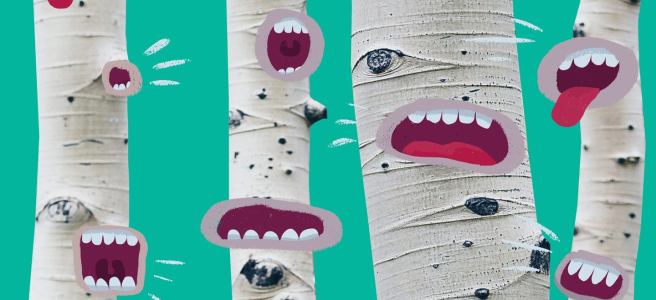
Four white-bark trees with cartoon open mouths drawn on them, making a variety of facial expressions.

Trees may not get around very much, but they do know a lot about what matters to them. Their very survival depends on being able to extract information from their environments and make appropriate responses. In other words, they make decisions. Science fiction novelist and tree scholar Sue Burke writes about trees and decisions in this December 2019 report for Slate

Continue reading “Trees of Knowledge”

Our Minds Aren’t Equipped for This Kind of Reopening

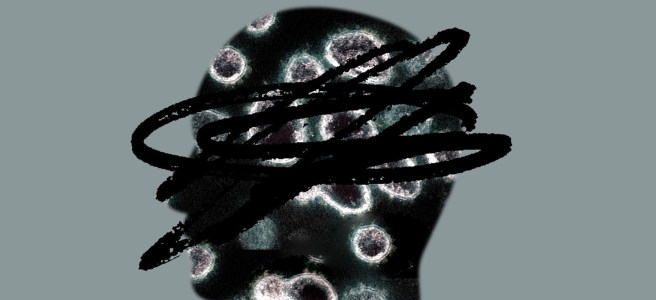
In summer 2020, communities all around the US were coming out of lockdown and making decisions about how, how much, and when to open up and resume (at least some) normal activities. Months later, the situation hasn’t changed too very much, despite the development and slow rollout of the vaccine, and we expect, sadly, that the pandemic and its conditions will be with us in some ways for a long time to come. Law and psychology professor Tess Wilkinson-Ryan wrote this analysis of risk assessment, shaming, and decision making for the July 2020 The Atlantic. Have things changed much since its publication? (We hope so.)

Continue reading “Our Minds Aren’t Equipped for This Kind of Reopening”

Emoji Statistics

Three emojis wearing masks.

We would be exaggerating to say that emojis will soon make typed words obsolete, but 🤨🤔😼. What wouldn’t be an overstatement, though, is to say that emojis are very useful (although sometimes ambiguous, like the three in the previous sentence). Emojipedia is an online resource that helps make sense of emojis,—including what they mean, how they’re used, how they’re trending, and other must-know emoji information. Emojipedia is also a voting member of the Unicode Consortium, the international group that maintains uniform standards for typed characters on keyboards and keypads from all manufacturers in all languages, in all countries. No small job. This page on the Emojipedia site is dedicated to the latest emoji statistics, and it’s updated several times a year. We viewed it in October 2020; you may be seeing an updated version.

Continue reading “Emoji Statistics”

Blowing Out Candles Is Basically Spitting on Your Friends’ Cake. Will We Ever Do It Again?

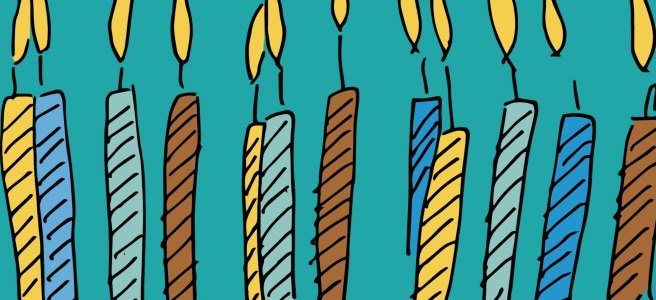
A simple drawing of 12 blue, yellow, and brown birthday candles.

Have you celebrated a coronavirus-era birthday yet? How did it feel? Some people we know were very saddened and disappointed to not be able to celebrate in a big way. Some were actually relieved to be able to spend their birthday quietly and without fuss. Others just shrugged their shoulders, bought a cupcake at the store, and set their sights on next year. But sad, relieved, or resigned, nobody blew out the candles while loved ones gathered around closely and sang a silly ditty. Welcome to the New Normal. In this July 2020 report, Washington Post feature writer Caitlin Gibson wonders whether that familiar custom may be gone forever.

Continue reading “Blowing Out Candles Is Basically Spitting on Your Friends’ Cake. Will We Ever Do It Again?”

What Happens as Baseball Players Age?

A baseball player in an Angels jersey waves to the crowd.

Major league baseball players and other high-level athletes have extraordinary abilities and powers that distinguish them from the rest of us, but there’s one thing that we all have in common: we age. What is that aging process like in such a finely tuned and highly developed being as a major league baseball player? Baseball writer and ESPN columnist Sam Miller explores that question in detail in this June 2018 report in ESPN Magazine.

Continue reading “What Happens as Baseball Players Age?”